The Great Carnatic Music Trinities
Honouring the three great composers of Carnatic music — Syama Sastri, Thiyagaraja, and Muthusamy Deekshidar — whose legacy is deeply connected to the temple and its cultural heritage.
The Three Luminaries
In Carnatic music, Syama Sastri, Thiyagaraja, and Muthusamy Deekshidar are revered as the Music Trinities — each a towering figure whose compositions continue to shape the tradition.
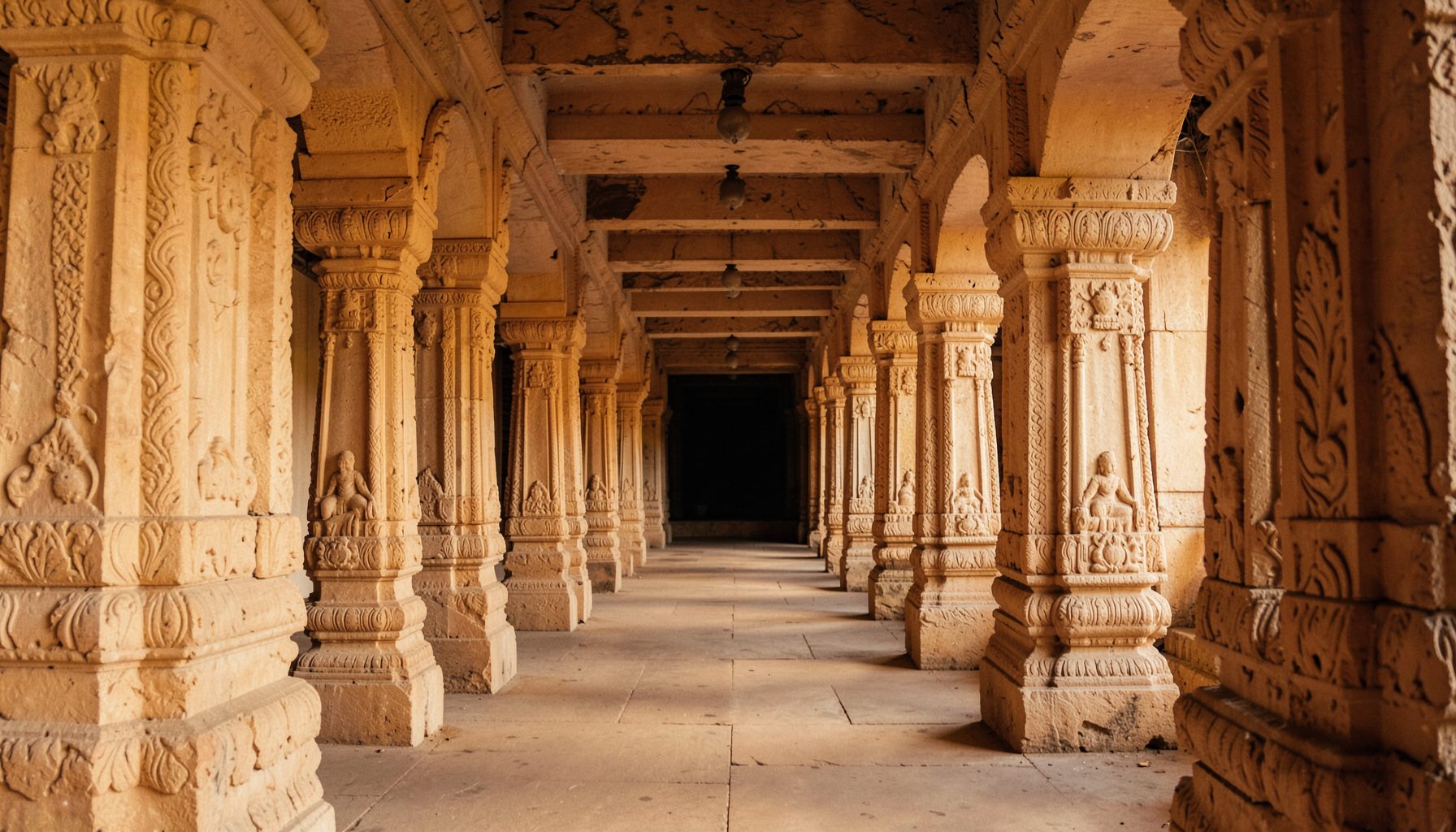
Syama Sastri
- Excelled in composing songs in Anandha Bairavi ragam
- Composed about 300 kirthanas in Sanskrit and Telugu
- Introduced Viloma Sappu tala
- Rare ragas like Chinthamani and Manjee appear in his works
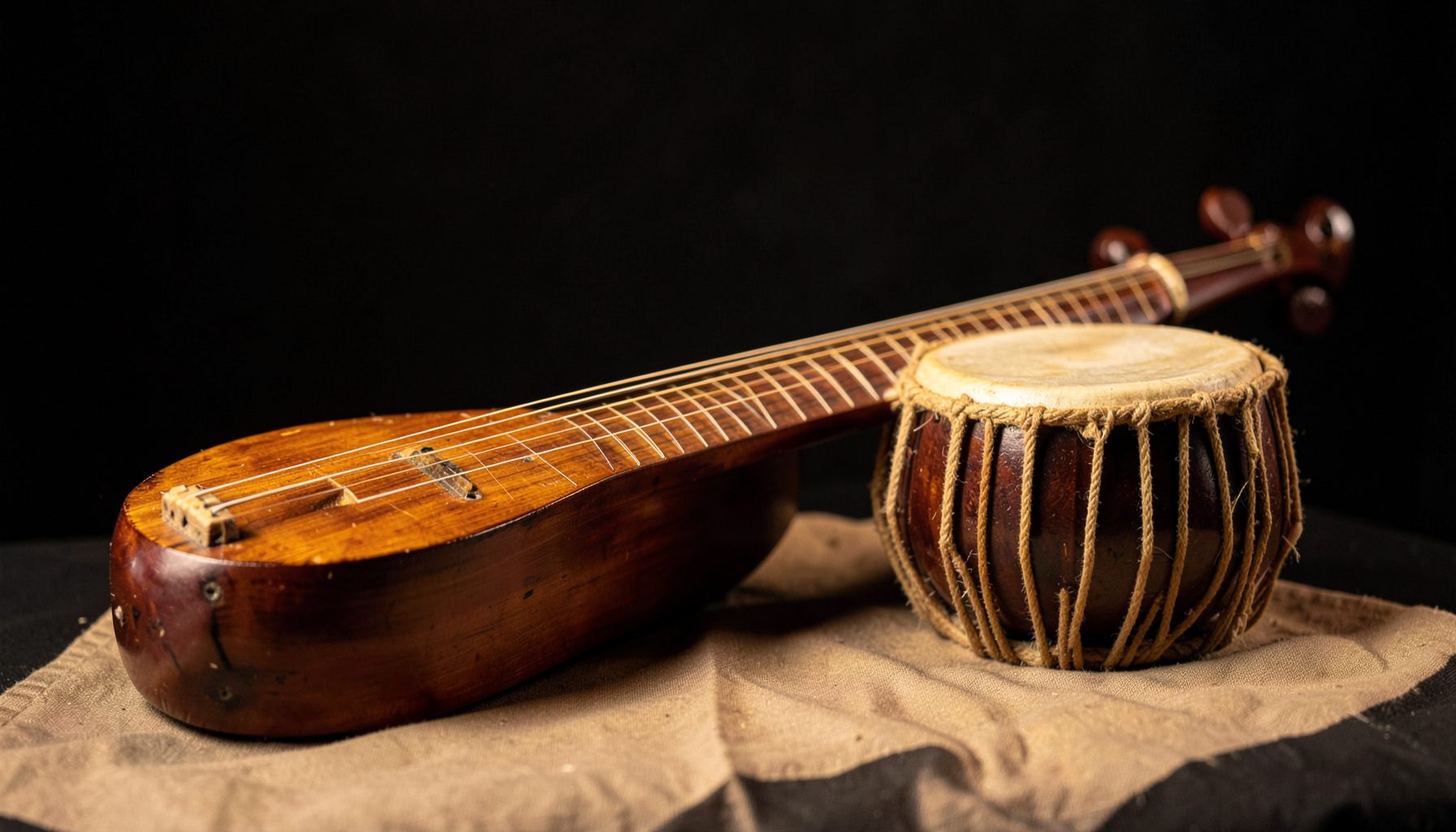
Thiyagaraja
- Standardised Sangathis in kirthanas
- Incorporated folk and Western musical elements
- Famed for the Pancharathna Kirthana
- Handled rare ragas: Navarasa Kanada, Vijaya Shree, Bhahudari
Muthusamy Deekshidar
- Followed his own 72-melakartha system
- Composed kirthanas in the 35-tala system
- Brought structural depth and scholarly rigour to Carnatic composition
The three great composers of Carnatic music — Syama Sastri, Thiyagaraja, and Muthusamy Deekshidar — are collectively known as the Music Trinities, and their legacy is woven deeply into the cultural fabric of the region surrounding this temple. Each composer brought a distinct voice and spiritual intensity to the tradition, yet all three shared a profound devotion expressed through their compositions. Their kirthanas and kriti-s remain cornerstones of the Carnatic repertoire, performed in concert halls and temple courtyards alike. For devotees and musicians who visit this sacred place, the Trinities represent a living bridge between musical artistry and spiritual longing, reminding us that sound itself can be a form of worship.
Syama Sastri, the eldest of the three, is celebrated for his mastery of rhythmic complexity and his deep emotional expressiveness. He excelled in composing in the Anandha Bairavi raga and introduced the Viloma Sappu tala, a rhythmic innovation that continues to challenge and inspire performers. His compositions, numbering in the hundreds, were written largely in Sanskrit and Telugu, drawing upon both scholarly learning and heartfelt devotion. The rare ragas he explored reveal a composer of extraordinary imagination, one who was unafraid to venture beyond conventional boundaries. His work remains a testament to the depth and sophistication of eighteenth-century Carnatic music.
Thiyagaraja, whose name the temple proudly carries, is perhaps the most widely revered of the Trinities, known for his unparalleled output of devotional compositions in Telugu. His kirthanas celebrate the divine with an intimacy and warmth that have made them beloved across generations of musicians and listeners. The saint-composer's life was marked by unwavering faith, and his music reflects a personal relationship with the divine that transcends ritual formality. His compositions are sung in virtually every Carnatic concert, and his legacy continues to inspire new interpretations and performances. For this temple, Thiyagaraja holds a particularly special place, as his spiritual and musical presence is felt throughout its traditions and cultural programs.
Muthusamy Deekshidar brought a scholarly and philosophical dimension to the Trinity tradition, composing in Sanskrit with an emphasis on the esoteric meanings of deities and their attributes. His compositions are renowned for their lyrical elegance and their incorporation of rare ragas, drawing upon his deep knowledge of both music and scripture. Each of his kirthanas functions as a miniature treatise, weaving together melodic beauty and theological insight. Together, the three composers created a body of work that is simultaneously devotional, intellectual, and artistic — a legacy that continues to enrich the cultural life of this temple and the wider Carnatic tradition. Their music remains a living prayer, carried forward by every performer who honors their memory.