History & Architecture
Trace the rich history of the Sri Thiyagaraja Temple through legend, inscriptions, and centuries of tradition — from the visit of gods and sages to the reign of King Muchukunda.
A Temple Visited by Gods and Sages
The temple of Thiyagaraja gained enduring fame through the visit of a galaxy of divine beings and revered figures from heaven and earth. Brahma, Dasharatha, Rama, Arjuna, Dharmaputra, Kings Nala and Harischandra, and Maharshis such as Vasishtha and Vishwamitra are all said to have come to this sacred site.
Each of these illustrious visitors is believed to have installed a Siva linga within the temple precincts, leaving behind a tangible mark of their devotion that enriches the spiritual fabric of Thiruvarur to this day.
King Muchukunda and Royal Patronage
King Muchukunda of the Manu dynasty holds a special place in the temple's legendary history. Blessed by Lord Siva in a previous birth, he is remembered as a great builder of temples and a generous patron of scholars.
His reign marked an era in which devotion, learning, and architectural ambition flourished together, helping to shape the temple into the vast complex that stands today.
The Most Revered of the Attaveeratta Temples
Among all the Attaveeratta temples of Lord Shiva, the Sri Thiyagaraja Temple at Thiruvarur is the most revered and glorified. Located in the Tanjore district of Tamil Nadu, the temple is a representation of the religio-socio-cultural history of the Tamil region spanning over a millennium and a half.
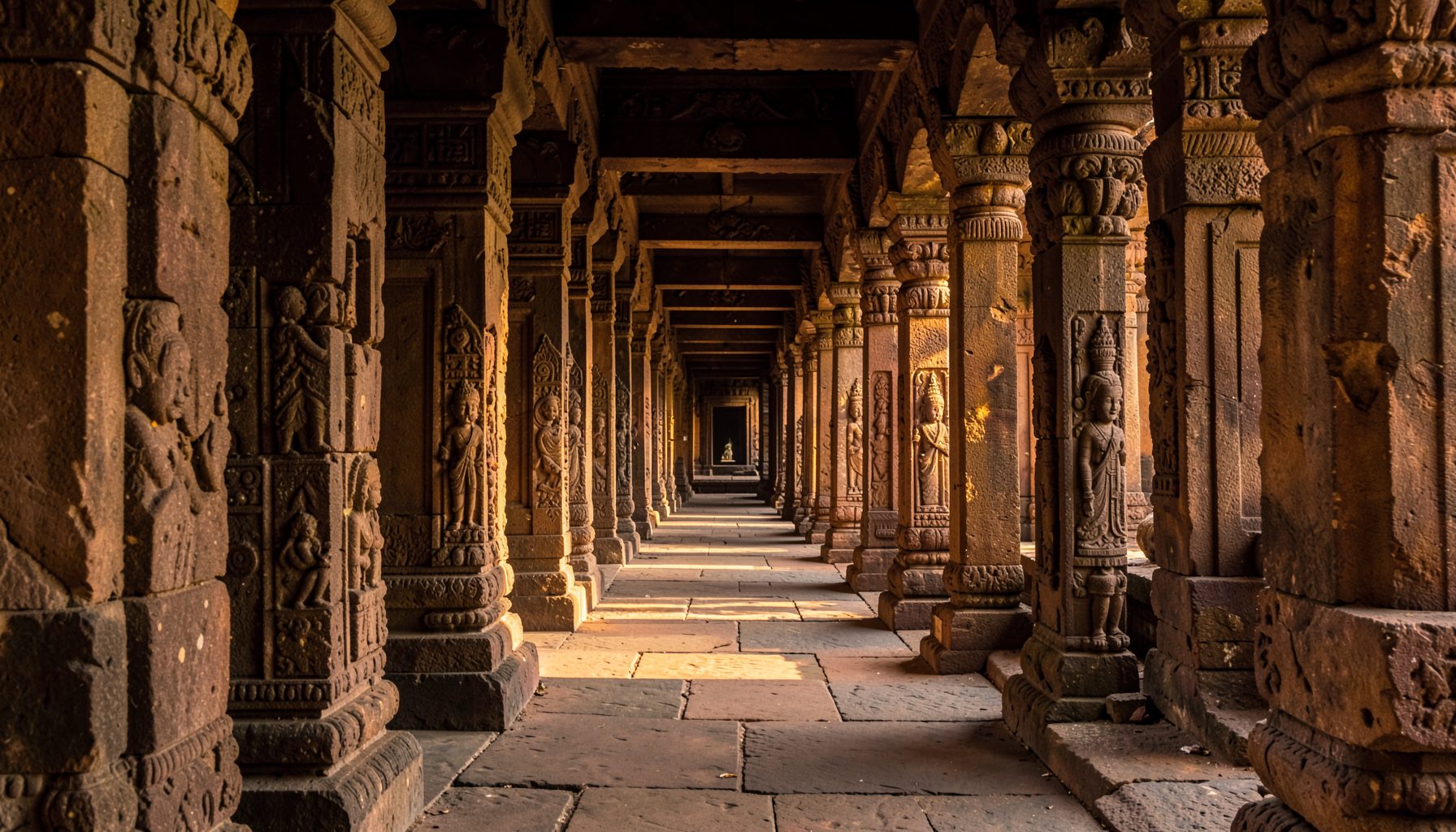
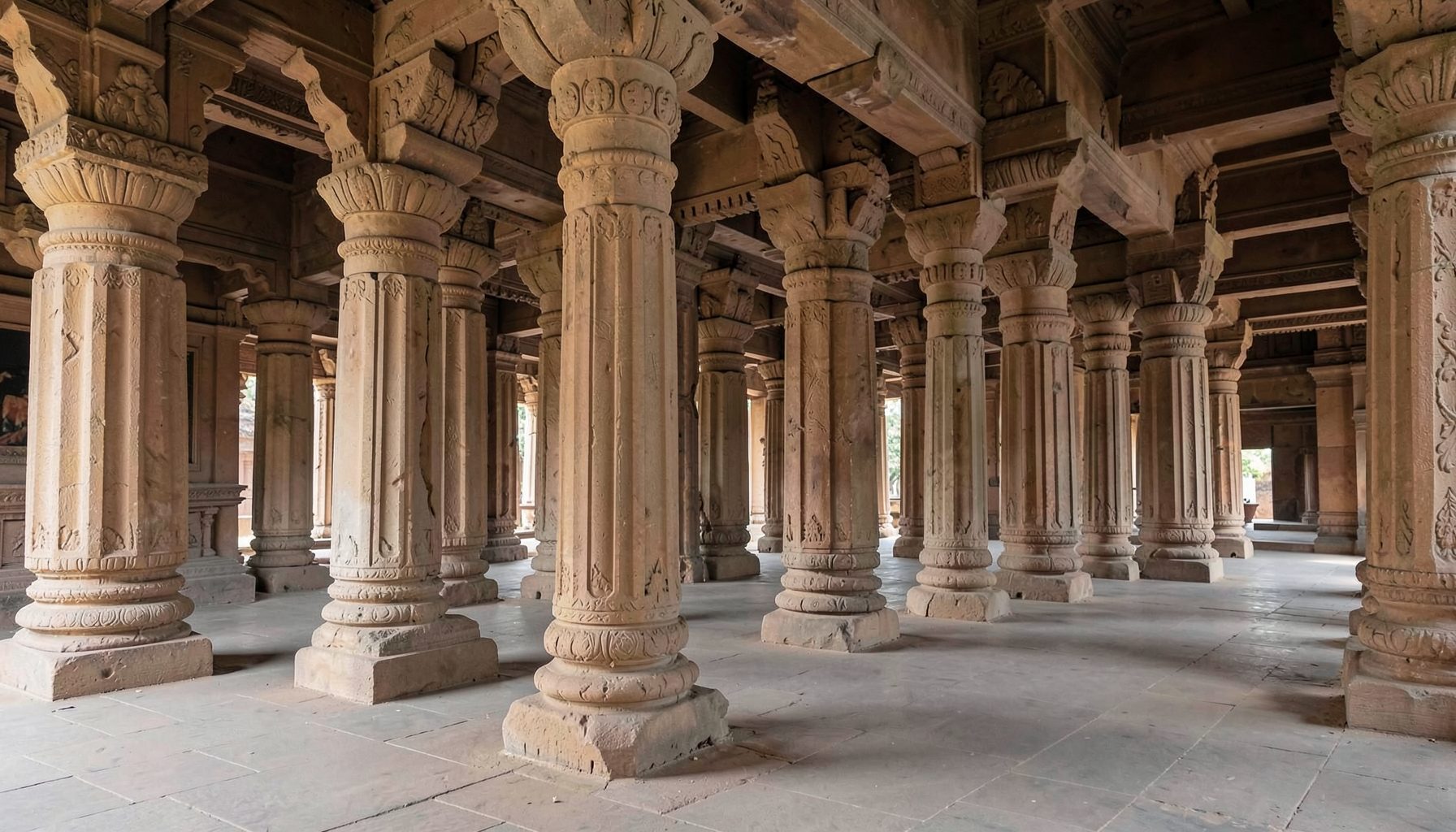
The vast temple complex is truly a standing monument to centuries of history and tradition. Its architecture, iconography, and sacred geography have been shaped by successive generations of devotees, rulers, and saints.
The history of the Sri Thiyagaraja Temple is woven from legend, devotion, and the steady passage of centuries. According to tradition, the temple's sanctity was established long before recorded history, when divine beings and revered sages from across the spiritual world made their way to this sacred ground. Their presence is said to have imbued the site with an enduring spiritual energy that continues to draw worshippers today. Over time, the temple became a living chronicle of faith, with each generation adding its own layer of devotion, ritual, and architectural expression to the growing sacred complex.
The temple's architecture reflects a remarkable continuity of tradition, with structures that have been shaped, refined, and expanded across many generations of patronage. Kings, chieftains, and devoted communities all contributed to the temple's growth, leaving behind inscriptions and records that help modern visitors piece together its long and storied past. The layout follows classical principles of temple design, with sanctums, corridors, and towering gateways arranged to guide devotees on a spiritual journey from the outer world into the innermost presence of the deity. These architectural layers speak to the temple's enduring role as a center of worship and community life.
What makes the Sri Thiyagaraja Temple particularly remarkable is the seamless blend of myth and monument, where every stone seems to carry a story. The legendary visit of King Muchukunda, who is said to have played a pivotal role in the temple's early history, remains a cornerstone of local tradition and is recalled in rituals and devotional narratives to this day. For pilgrims and historians alike, the temple offers a rare window into the spiritual and cultural life of the region across the ages. Its continued vitality is a testament to the living faith that sustains it, connecting the distant past with the present moment.
Location & Access
Thiruvarur (Tiruvalur) lies in the district of Tanjore, Tamil Nadu. The town is well connected by the Southern Railway, situated at the junction where the Mayavaram–Karaikudi and Tanjore–Nagapattinam branch lines intersect. This railway junction has long made Thiruvarur accessible to pilgrims travelling from across the region.